
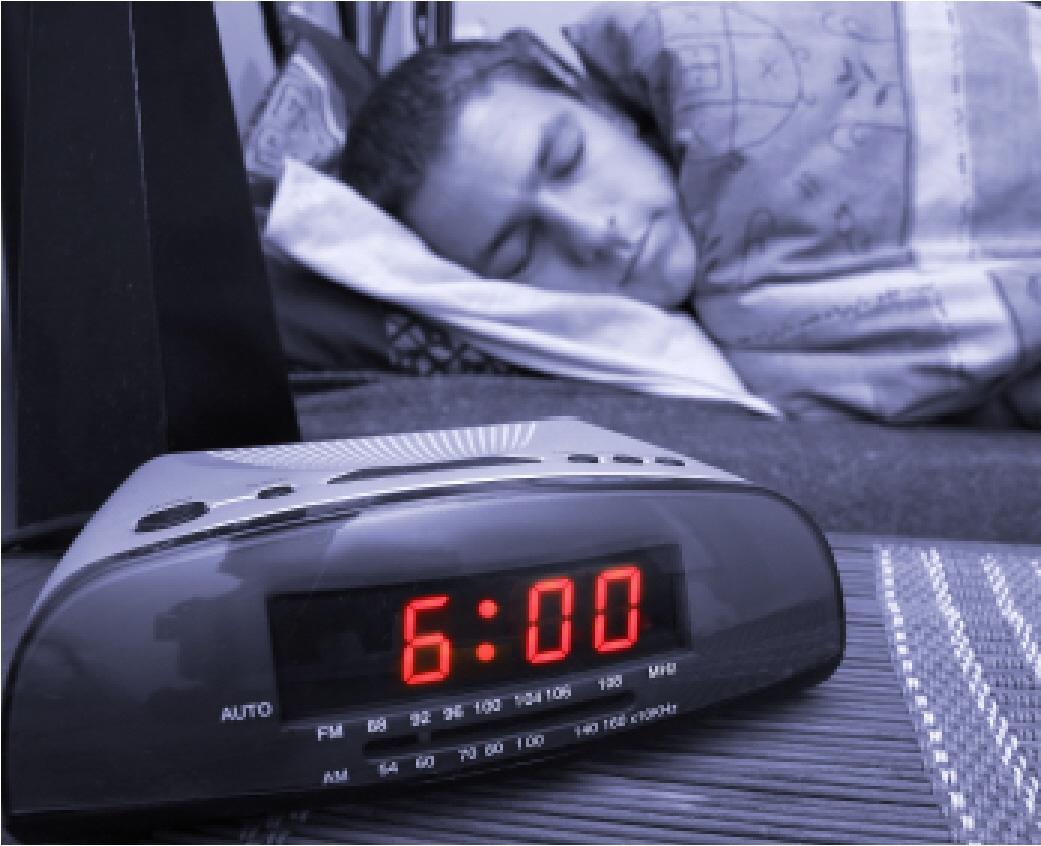

There’s a reason why we spend 26 years of our lives sleeping. Similar to a battery recharging after it’s been drained, when we sleep is when the body heals itself (1). During the day while we are awake our body is in a state of catabolism (or breaking down) and when we fall asleep it shifts to start repairing itself. This is where the healing magic happens. Sleep inhibits the secretion of your body’s stress hormone (cortisol) and stimulates the release of growth hormones that help to build strong bones, produce red blood cells, and heal muscles. It is also when our kidneys, lungs, and liver detoxify, our skin rehydrates, and our white blood cells get a boost. As you can see, high quality sleep is an important aspect of our immune system and is necessary in order to repair from our day-to-day activities. This is especially important if you’re working hard to get regular exercise, eating healthy, and challenging yourself mentally – your body needs high quality ZZZ’s to recharge it’s battery!
Keeping a good sleeping pattern is hard enough for the average Joe, but those with a movement disorder can have an especially rough time (2). This can lead to a condition called excessive daytime sleepiness (EDS) that has been seen in up to 15.5% of Parkinson’s patients vs. 1% in the healthy population (3). To add insult to injury, movement disorders such as tremor, chorea, and dystonic spasms are often active during sleep (2) and if you also have restless leg syndrome (RLS), which 1 in 3 people with Parkinson’s do (2), then you may also have trouble falling and staying asleep. Some other causes of disrupted sleep may be from various effects of medications or various aches and pains.
You may be thinking: “I have ALL of those things! Is all hope lost for me?” Luckily, the answer is a resounding “no“! Before you go off searching for your next Ambien (or Ativan, Xanex, or Klonopin…), know that you can help support your normal circadian rhythm by making a few tweaks to your bedtime routine ensuring you have great sleep hygiene (4). Check out these tips and let us know what works for you!


Resources
1. Adam, K., & Oswald, I. (1984). Sleep helps healing. British Medical Journal (Clinical Research Ed.), 289(6456), 1400-1401.
2. Happe, S. (2003). Excessive daytime sleepiness and sleep disturbances in patients with neurological diseases: epidemiology and management. Drugs, 63(24), 2725-2737.
3. Tandberg, E., Larsen, J. P., & Karlsen, K. (1999). Excessive daytime sleepiness and sleep benefit in Parkinson’s disease: a community-based study. Movement Disorders: Official Journal Of The Movement Disorder Society, 14(6), 922-927.
4. Parkinson’s Disease Clinic and Research Center. (2014, January 1). Retrieved January 16, 2015, from http://pdcenter.neurology.ucsf.edu/patients-guide/sleep-and-parkinsons-disease
Dear Lad,There is a cure for Parkinson’s. I am doing it! For scientific proof that this is psosible, please read The China Study. Remember, you did NOT get Parkinson’s from a lack of man-made chemicals (which are all medical doctors are trained in) which means that you will not cure Parkinson’s by putting man-made chemicals into your body. You CAN reverse ALL malfuctions of the body by filling it with the elements that it was originally made of and getting all of the toxins out. Christine